
In the relentless pursuit of cleaner, healthier environments, technology continues to offer innovative solutions. One method generating significant interest, especially in professional cleaning circles, is ultraviolet light disinfection. Specifically, the use of UV-C light promises a chemical-free, contactless way to neutralize pathogens. But is it the silver bullet for sanitation, or does it come with important caveats? This deep dive explores the pros, cons, and critical professional applications of UV-C technology, helping you understand where it fits in a modern cleaning protocol. For businesses and facilities managers, partnering with a forward-thinking provider like Quality Cleaning Janitor Services can ensure this advanced tool is used safely and effectively as part of a comprehensive cleaning strategy.
How Does UV-C Light Disinfection Work?
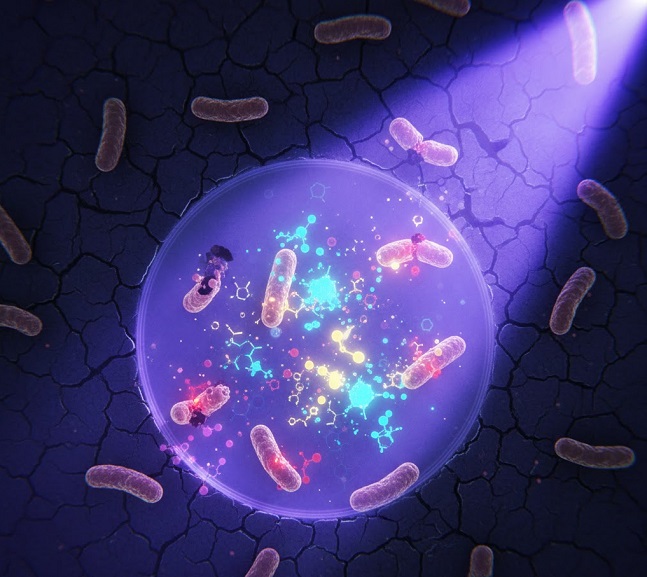
UV-C light is a specific band of ultraviolet light with wavelengths between 200 and 280 nanometers. Unlike the UVA and UVB rays from the sun that reach Earth, UV-C is naturally filtered by the atmosphere. Its power lies in its ability to disrupt the DNA and RNA of microorganisms—including bacteria, viruses, molds, and spores. When these pathogens are exposed to a sufficient dose of UV-C energy, their genetic material is damaged, rendering them unable to replicate and effectively inert. This process is called “germicidal irradiation.” It’s crucial to understand that effectiveness is not guaranteed; it depends heavily on the intensity of the light, duration of exposure, distance from the source, and whether the light has a direct line of sight to the pathogens.
The Pros: Why UV-C is a Game-Changer
- Chemical-Free and Dry: UV-C disinfection leaves no chemical residue, making it ideal for sensitive environments like kitchens, laboratories, and areas frequented by people with chemical sensitivities. It’s a “dry” process.
- Broad-Spectrum Efficacy: It is effective against a wide range of microorganisms, including drug-resistant bacteria (like MRSA) and many viruses (including coronaviruses), provided they receive adequate exposure.
- Automation and Efficiency: Robotic UV-C units or mounted towers can disinfect a room autonomously after manual cleaning, adding a powerful secondary layer of protection without adding significant labor time.
- Environmentally Friendly: With no need for disposable wipes or chemical solutions, UV-C reduces environmental waste and chemical runoff.
- Complements Traditional Cleaning: It excels at reaching nooks, crannies, and irregular surfaces that might be missed during wiping, acting as a powerful supplement to detailed manual cleaning.
The Cons and Critical Safety Considerations
- Human Safety Hazard: Direct exposure to UV-C light can cause severe eye damage (“welder’s flash”) and skin burns in seconds. It requires stringent safety protocols, including occupancy sensors, timers, and protective gear for operators.
- Line-of-Sight Limitation: UV-C light travels in a straight line. It cannot bend around corners, over shelves, or under tables. Shadows and shaded areas will not be disinfected, which is why manual pre-cleaning of surfaces is non-negotiable.
- Surface Degradation: Prolonged exposure can degrade materials, causing plastics to become brittle, inks to fade, and some fabrics to weaken.
- No Residual Effect: Unlike some chemical disinfectants that leave a lasting antimicrobial layer, UV-C’s effect is instantaneous and offers no ongoing protection once the light is off.
- Cost and Training: High-quality commercial UV-C systems represent a significant capital investment. More importantly, staff require thorough training on both operation and safety to prevent accidents.
Professional Applications: Where UV-C Truly Shines
Given its specific strengths and limitations, UV-C is not a standalone solution but a potent tool in specific professional contexts:
- Healthcare Settings: The gold standard application. Used to disinfect patient rooms, operating theaters, and equipment after manual cleaning, targeting superbugs like C. diff.
- Laboratories and Pharmacies: Protects sterile environments and sensitive processes without chemical contamination.
- Hospitality: Hotels are increasingly using portable UV-C units to disinfect remote controls, bathrooms, and room surfaces between guests for added guest assurance.
- Food Processing and Preparation: Can be used to disinfect packaging, conveyor belts, and food preparation surfaces in compliance with strict health standards.
- Office and Educational Facilities: Often deployed overnight using autonomous robots in high-touch common areas like conference rooms, restrooms, and classrooms.
The Verdict: A Tool, Not a Replacement
UV-C light disinfection is a powerful technological ally in the fight against pathogens. However, it is emphatically not a replacement for thorough manual cleaning. Physical removal of dirt, grime, and organic matter must always come first, as debris can shield microorganisms from UV-C rays.
Implementing this technology successfully requires expertise. This is where a professional service like Quality Cleaning Janitor Services proves invaluable. Their technicians are trained to integrate UV-C devices safely and strategically into a multi-barrier cleaning plan. They understand that the robot or tower is the final step in a process that begins with skilled labor and EPA-approved disinfectants.
For those looking to understand the rigorous science behind effective disinfection, resources from authoritative organizations like the Centers for Disease Control and Prevention (CDC) offer invaluable guidance on integrating technologies like UV-C into broader public health strategies.
Illuminating a Cleaner Future
The journey toward ultimate sanitation is multifaceted. UV-C light offers a fascinating, effective, but nuanced path forward. By weighing its impressive pros against its serious cons and deploying it within its ideal professional applications, businesses can harness its germicidal power responsibly. The goal is a layered defense: meticulous manual cleaning, followed by approved chemical disinfection, augmented by the cutting-edge power of ultraviolet light. With a knowledgeable partner guiding the way, this high-tech light can indeed help illuminate a safer, healthier future for any facility.